
Simple activities like walking can significantly improve joint function and help you stay active throughout life.
Get Started Today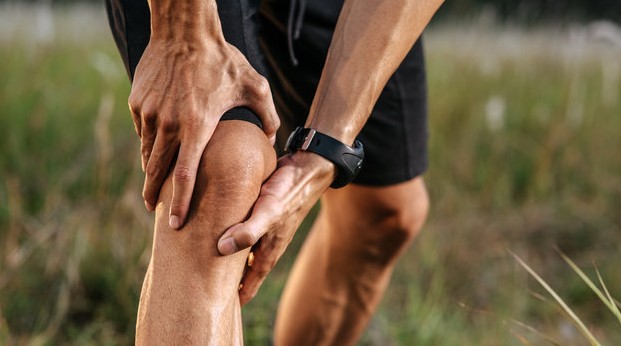
Your joints are designed for movement. Regular physical activity helps keep them functioning properly by maintaining the fluid that cushions joint surfaces and strengthening the muscles that support them.
When you walk or engage in gentle exercises, you're helping your body deliver nutrients to joint cartilage while removing waste products. This natural process is essential for maintaining joint comfort and mobility over time.

Walking builds strength in the muscles around your hips, thighs, and calves, providing better support and stability for your joints during daily activities.
Movement helps circulate synovial fluid, which acts as a natural lubricant for your joints, keeping them moving smoothly and comfortably.
Physical activity increases circulation, bringing oxygen and nutrients to joint tissues while helping reduce stiffness and discomfort.
Strong muscles around your joints act like shock absorbers, reducing stress on the joint itself. Regular walking and simple exercises help maintain this protective muscle support.
Movement keeps your ligaments elastic and your joints mobile. This flexibility helps you perform everyday tasks with ease and prevents stiffness from developing.
Walking increases blood flow throughout your body, delivering essential nutrients to joint tissues and helping remove waste products that can cause discomfort.
Movement stimulates the production and circulation of synovial fluid, your body's natural joint lubricant, keeping your joints moving smoothly.
Regular activity strengthens stabilizing muscles and improves coordination, reducing the risk of falls and protecting your joints from injury.
These gentle activities provide excellent benefits for your joints without putting excessive stress on them. Choose what feels comfortable for your current fitness level.
Simple and accessible for most people. Start with short distances and gradually increase as you build endurance. Aim for comfortable, steady walks rather than intense workouts.
Water supports your body weight, making swimming ideal for joint health. The resistance of water also helps build strength without jarring movements.
Gentle yoga poses and stretching exercises improve flexibility and range of motion while strengthening the muscles that support your joints.
Biking is a low-impact activity that builds leg strength and improves joint mobility without the impact stress of running or jumping.
While movement is beneficial, it's important to approach physical activity thoughtfully, especially if you're just starting or have existing joint concerns.
Start slowly and listen to your body. Mild discomfort during the first few minutes of activity is normal, but sharp or increasing pain is a signal to stop and rest. Gradually build up the duration and intensity of your activities over time.
If you experience persistent discomfort, swelling, or have been diagnosed with joint conditions, consult with a healthcare professional before beginning a new exercise program. They can provide personalized guidance based on your specific situation.
"I started with just 10 minutes of walking each day. After a few weeks, I noticed my morning stiffness was much better. Now I look forward to my daily walks."
— Meera S., Chennai
"Swimming has been wonderful for me. The water makes movement comfortable, and I've noticed my joints feel much better since I started going to the pool twice a week."
— Rajiv P., Bangalore
"Adding simple stretches to my morning routine has made a real difference. My joints feel more flexible, and I can move more easily throughout the day."
— Anjali K., Delhi
"I was worried about exercising with my joint concerns, but gentle walking has actually helped. I just make sure to wear supportive shoes and choose smooth paths."
— Suresh M., Pune
Email:
hello (at) cexonezu.com
Address:
15, Marine Drive, Mumbai 400020, Maharashtra, India
Phone:
+91 22 4067 3921
Start with what feels comfortable, even if it's just 5-10 minutes. Gradually increase to 20-30 minutes most days of the week as your endurance improves.
Mild stiffness when beginning activity is common and usually improves as you warm up. However, sharp or worsening pain is not normal and requires rest and possibly medical attention.
Choose supportive shoes with good cushioning and a proper fit. Proper footwear helps absorb impact and maintain good alignment, protecting your joints during activity.
Variety is beneficial! Mixing walking with swimming, stretching, or cycling can work different muscle groups and keep your routine interesting while supporting overall joint health.
Yes, rest days allow your body to recover. You don't need to be completely inactive, but alternating more intense days with lighter activities or rest helps prevent overuse.